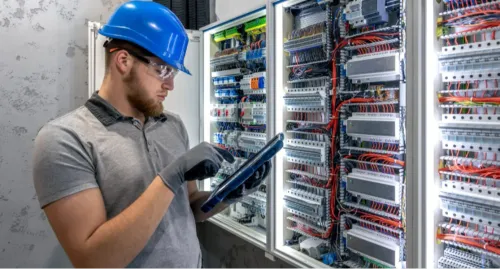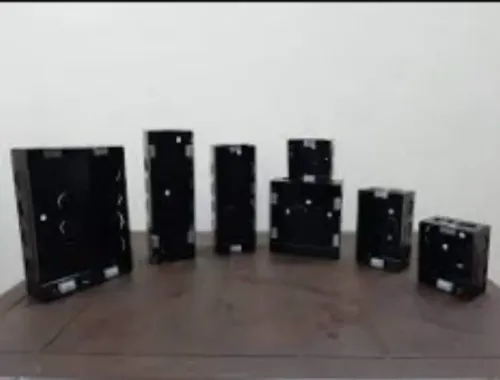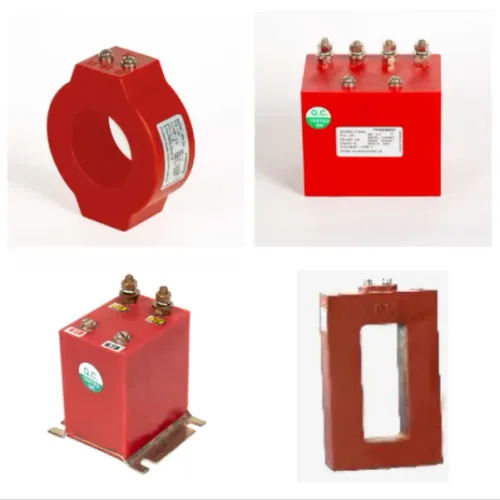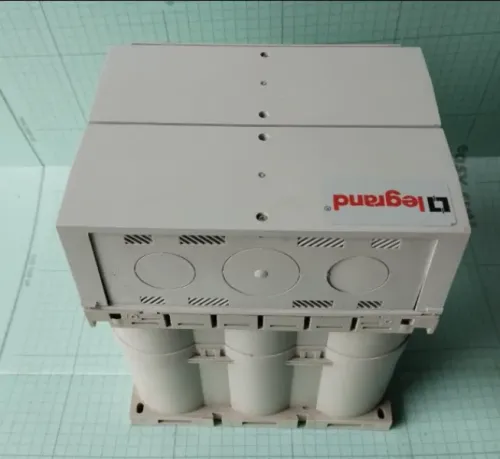
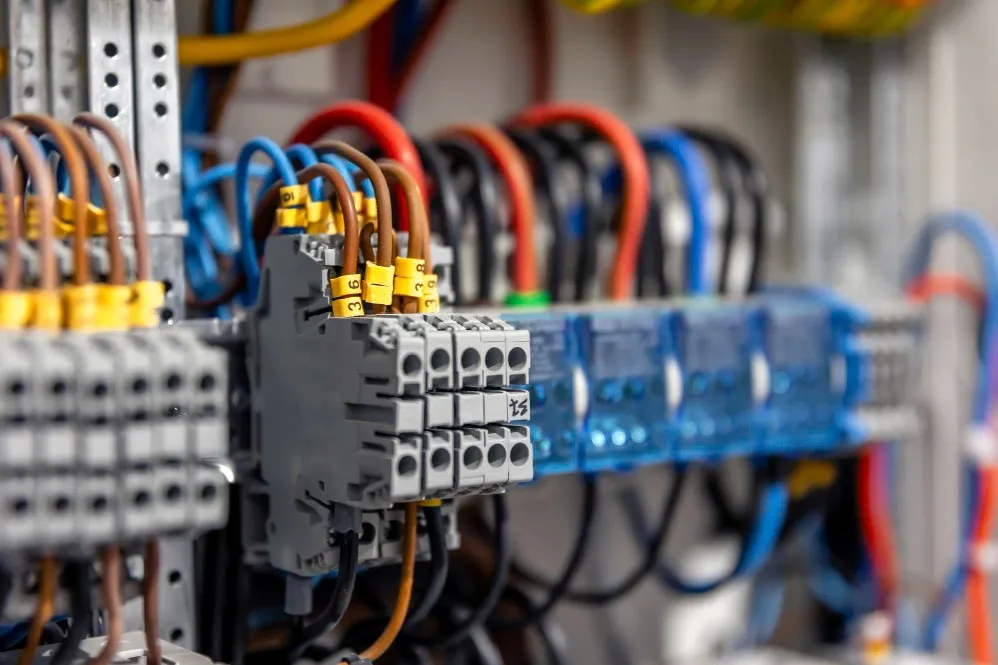
Electrical control panels are the heart of every industrial automation system. They bring together multiple components that distribute power, control machinery, monitor operations, and protect equipment from electrical faults. Even when a panel is well designed, its performance depends heavily on the quality of the components installed inside it.
Choosing the right Electrical Panel Components Supplier is therefore a critical decision for panel builders, OEM manufacturers, electrical contractors, system integrators, and industrial maintenance teams. A dependable supplier provides more than products they help ensure compatibility, consistent quality, and uninterrupted availability throughout the project lifecycle.
Why Quality Panel Components Matter
An electrical panel contains several interconnected components that must operate together without failure. If one component underperforms or fails unexpectedly, it can affect the entire electrical system, resulting in equipment downtime, production delays, and expensive repairs.
Using high-quality panel components helps:
- Improve system reliability
- Reduce unexpected shutdowns
- Enhance operator safety
- Simplify maintenance
- Extend equipment life
- Maintain consistent electrical performance
Reliable components also contribute to smoother commissioning and fewer operational issues after installation.
Common Electrical Panel Components
Industrial electrical panels typically include a combination of products depending on the application.
Some of the most commonly used components are:
- Circuit breakers
- Contactors
- Overload relays
- Power supplies
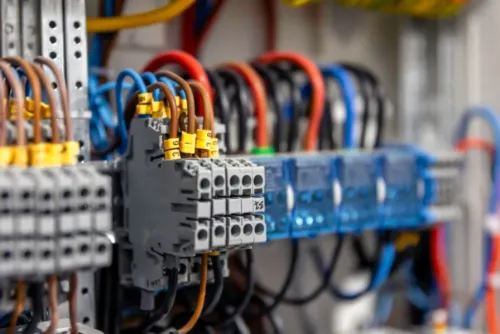
- Terminal blocks
- Control relays
- Push buttons
- Selector switches
- Indicator lamps
- Timers
- Fuses
- Busbars
- Cable ducts
- DIN rails
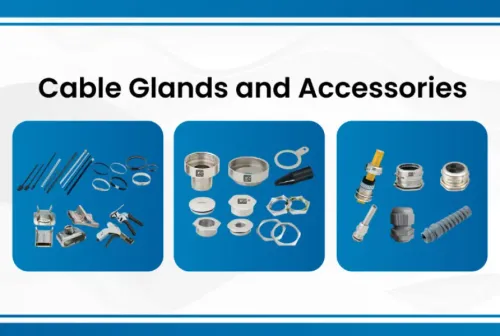
- Wiring accessories
Each component performs a specific function and should be selected according to the electrical design and operating environment.
What Makes a Reliable Electrical Panel Components Supplier
Selecting the right supplier goes beyond comparing quotations. Technical expertise, product authenticity, and inventory management all play an important role.
Genuine Industrial Products
Industrial panels require components manufactured according to recognized quality standards. Genuine products offer dependable performance, accurate specifications, and longer service life.
Using original components also reduces the likelihood of premature failures and costly replacements.
Technical Product Knowledge
Panel builders often require assistance selecting compatible products for different applications.
An experienced supplier should be able to advise on:
- Product compatibility
- Current and voltage ratings
- Panel layout considerations
- Control circuit requirements
- Protection coordination
- Suitable replacements
This technical support helps avoid installation issues later in the project.
Comprehensive Product Range
Industrial projects rarely require a single component. A supplier maintaining a broad inventory enables procurement teams to source multiple products from one place, saving both time and effort.
Reliable Product Availability
Project schedules often depend on timely material delivery. Suppliers with consistent stock levels help prevent delays during panel manufacturing, installation, and maintenance.
Mistakes to Avoid During Procurement
Even experienced buyers can encounter problems if procurement focuses only on immediate cost.
Common mistakes include:
- Purchasing components from multiple unverified suppliers
- Choosing incompatible products
- Ignoring product certifications
- Selecting components without checking technical specifications
- Buying based only on price
- Overlooking future maintenance requirements
Avoiding these issues leads to more reliable electrical panels and lower lifecycle costs.
Questions to Ask Before Selecting a Supplier
Before finalizing a supplier, procurement teams should evaluate their capabilities carefully.
Important questions include:
- Are all products supplied through authorized distribution channels?
- Can technical recommendations be provided during product selection?
- Is inventory available for urgent project requirements?
- Can multiple brands and product categories be supplied?
- Are technical datasheets and certifications readily available?
- Does the supplier regularly work with industrial panel builders and OEMs?
The answers provide a clear indication of the supplier's ability to support industrial projects over the long term.
Why Long-Term Supplier Relationships Benefit Industrial Projects
Working with the same trusted supplier across multiple projects offers measurable advantages.
These include:
- Faster procurement processes
- Consistent product quality
- Better pricing through long-term relationships
- Simplified inventory planning
- Easier technical coordination
- Improved after-sales support
These benefits become increasingly valuable for manufacturers and contractors handling multiple industrial projects across the year.
Supporting Panel Builders Across Maharashtra
Industrial growth throughout Maharashtra has increased demand for well-designed electrical panels across manufacturing, infrastructure, pharmaceuticals, automotive, food processing, and engineering sectors. Companies involved in these industries require suppliers who understand technical specifications, maintain reliable stock, and deliver products without unnecessary delays.
Businesses such as Deeva Electricals and Automation supply electrical panel components along with a comprehensive range of industrial electrical and automation products for panel builders, OEM manufacturers, EPC contractors, electrical consultants, and system integrators across Maharashtra. Buyers can also explore deevaelectricals.com to understand available product categories before planning their procurement requirements.
Choosing the right Electrical Panel Components Supplier helps ensure every control panel is built with dependable components that support safe operation, efficient maintenance, and long-term industrial performance. A reliable supply partner ultimately contributes to stronger electrical systems, smoother project execution, and greater operational confidence.
Keywords