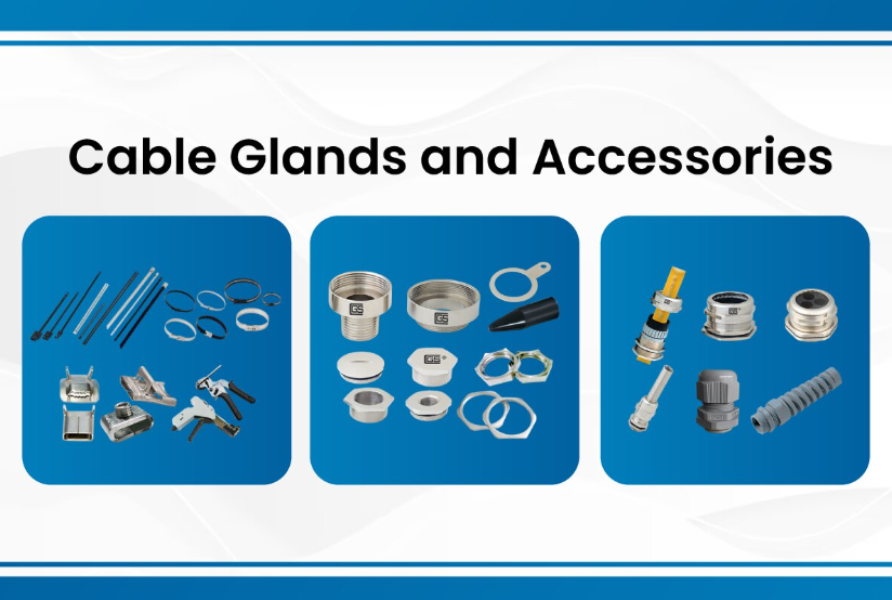
Cable glands perform an important mechanical and protective function where cables enter electrical panels, junction boxes, machines and enclosures. They help secure cables at entry points and, depending on the gland and installation, may contribute to environmental sealing and other application-specific requirements.
For industrial buyers, several practical signs can indicate that it is time to review the current Cable Gland Supplier and procurement process.
Frequent Size Mismatches Are Delaying Installation
Cable gland selection should correspond with the cable and entry arrangement.
When electricians repeatedly receive glands that do not fit the intended cable or panel entry, the issue may be incomplete specification rather than installation workmanship.
Procurement requests should clearly identify cable details, entry thread requirements and gland type.
Your Projects Use Different Cable Types
Industrial installations can involve armoured and unarmoured cables as well as cables used in different environmental conditions.
A gland that works for one cable construction may not be suitable for another.
Before purchasing, establish:
- Cable type
- Cable diameter
- Armour details where applicable
- Entry thread
- Material requirement
- Environmental conditions
- Indoor or outdoor application
- Required ingress protection considerations
These details help reduce guesswork.
Corrosion or Environmental Exposure Is a Concern
Manufacturing plants, processing facilities and outdoor installations may expose cable entries to moisture, dust, chemicals or other challenging conditions.
Material selection should therefore reflect the environment. Brass, nickel-plated brass and other gland materials can be specified depending on the application and project requirements.
For facilities in industrial areas across Maharashtra, operating conditions can vary significantly between indoor control rooms, outdoor utility systems and production environments.
Your Procurement Team Is Managing Too Many Small Vendors
Cable glands are often purchased alongside other panel components. Using numerous suppliers for small component categories can increase purchase orders, delivery coordination and inventory complexity.
Consolidating compatible electrical requirements with a supplier that carries multiple product categories can improve procurement efficiency without compromising technical selection.
Replacement Requirements Are Difficult to Identify
Maintenance teams should document gland specifications for critical equipment wherever practical.
Keeping basic records of cable size, gland type, thread and material can make future replacement sourcing faster.
Deeva Electricals and Automation supplies cable glands along with switchgear and electrical panel components for industrial customers, contractors and panel builders in Maharashtra.
When requesting a quotation, buyers can improve accuracy by sharing the cable specification and required quantity instead of requesting a gland only by an approximate size.
A reliable supply arrangement becomes especially valuable when projects involve multiple cable sizes and repeated panel-building requirements. Reviewing technical accuracy, range availability and consistency of supply can help procurement teams determine whether their current cable gland sourcing process is supporting the project effectively or creating avoidable site-level complications.
Keywords