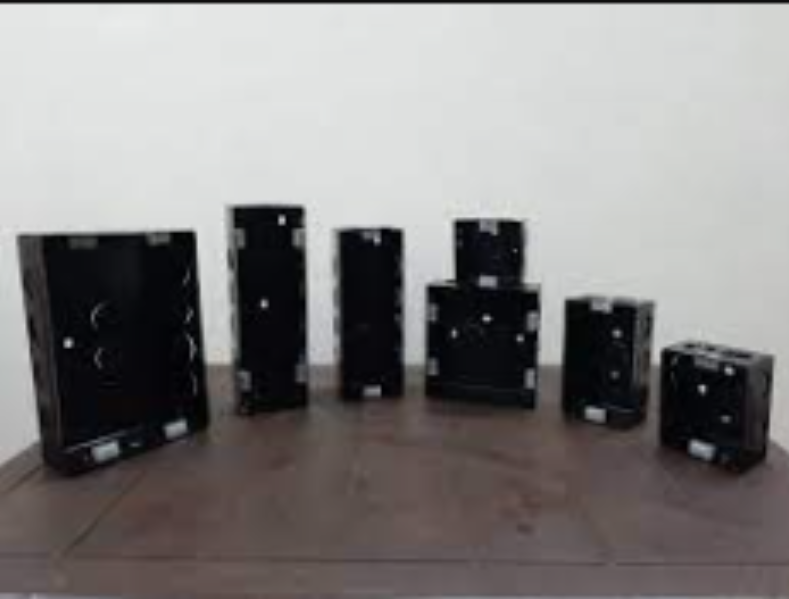
Modular electrical boxes provide the enclosure and mounting arrangement needed for switches, sockets and related wiring accessories. While they are less complex than major switchgear devices, selecting unsuitable boxes can still create installation problems, poor fitting and unnecessary rework.
For contractors and project buyers comparing a Modular Box Supplier, dimensions, construction quality and accessory compatibility deserve as much attention as price.
Start With the Installation Requirement
Modular boxes can be required for different wall conditions and electrical layouts. The correct configuration depends on the number of modules, mounting arrangement and accessories that need to be accommodated.
Before ordering, determine:
- Required module capacity
- Installation type
- Box dimensions
- Wiring space
- Mounting arrangement
- Compatibility with plates and accessories
- Quantity required
Large commercial or institutional projects should ideally standardize specifications before bulk procurement begins.
Why Build Quality Matters
Electrical boxes are installed as part of the permanent wiring infrastructure. Poor dimensional consistency can make alignment difficult and may affect the final fitting of modular accessories.
Buyers should examine practical factors such as rigidity, mounting points, finishing and suitability for the intended installation.
Adequate internal space is also important because electricians need room to route conductors safely without creating unnecessarily congested wiring.
Compatibility Can Prevent Site Delays
A common procurement issue occurs when boxes, mounting plates and modular accessories are ordered independently without checking compatibility.
This can lead to adjustments during installation, wasted material or delays while replacements are arranged.
For projects in Maharashtra, especially commercial developments, offices, institutional buildings and industrial facilities with numerous electrical points, small compatibility issues can become significant when repeated across hundreds of installations.
Plan Quantities With the Electrical Layout
Bulk buying should be based on the approved electrical layout rather than a rough estimate.
Count each modular configuration separately and include a reasonable project allowance according to site requirements. This creates a clearer procurement schedule and reduces the likelihood of ordering too many of one size while running short of another.
Look Beyond a Single Product Category
Electrical projects often require modular boxes alongside breakers, contactors, switches, panel components and wiring accessories. Consolidating related requirements can simplify purchase coordination where technically appropriate.
Deeva Electricals and Automation supplies modular boxes and other electrical products for contractors, industrial buyers and project requirements across Maharashtra.
Before placing a large order, buyers should confirm specifications, quantities and compatibility with the intended modular system. For project procurement, maintaining a simple item schedule with module size, quantity and application can make both ordering and site distribution easier.
Modular boxes may represent a relatively small portion of an electrical project's overall cost, but accurate selection contributes to cleaner installation and fewer fitting issues. Paying attention to dimensions and compatibility at the purchasing stage can prevent disproportionate inconvenience later on site.
Keywords