Industrial automation has transformed the way factories operate. Modern manufacturing facilities rely on intelligent control systems to improve production efficiency, reduce manual intervention, enhance workplace safety, and maintain consistent product quality. Behind every automated production line is a combination of reliable Automation Control Products that work together to monitor, control, and optimize industrial processes.
As industries across Maharashtra continue investing in smart manufacturing and Industry 4.0 technologies, selecting high-quality automation control products has become a priority for OEM manufacturers, panel builders, system integrators, EPC contractors, and factory owners. Choosing suitable products not only improves machine performance but also supports long-term operational reliability.
What Are Automation Control Products
Automation control products are electrical and electronic devices used to automate industrial equipment and manufacturing processes. They help machines operate accurately, communicate with one another, and respond automatically to changing operating conditions.
These products reduce dependence on manual operations while improving production consistency and equipment efficiency.
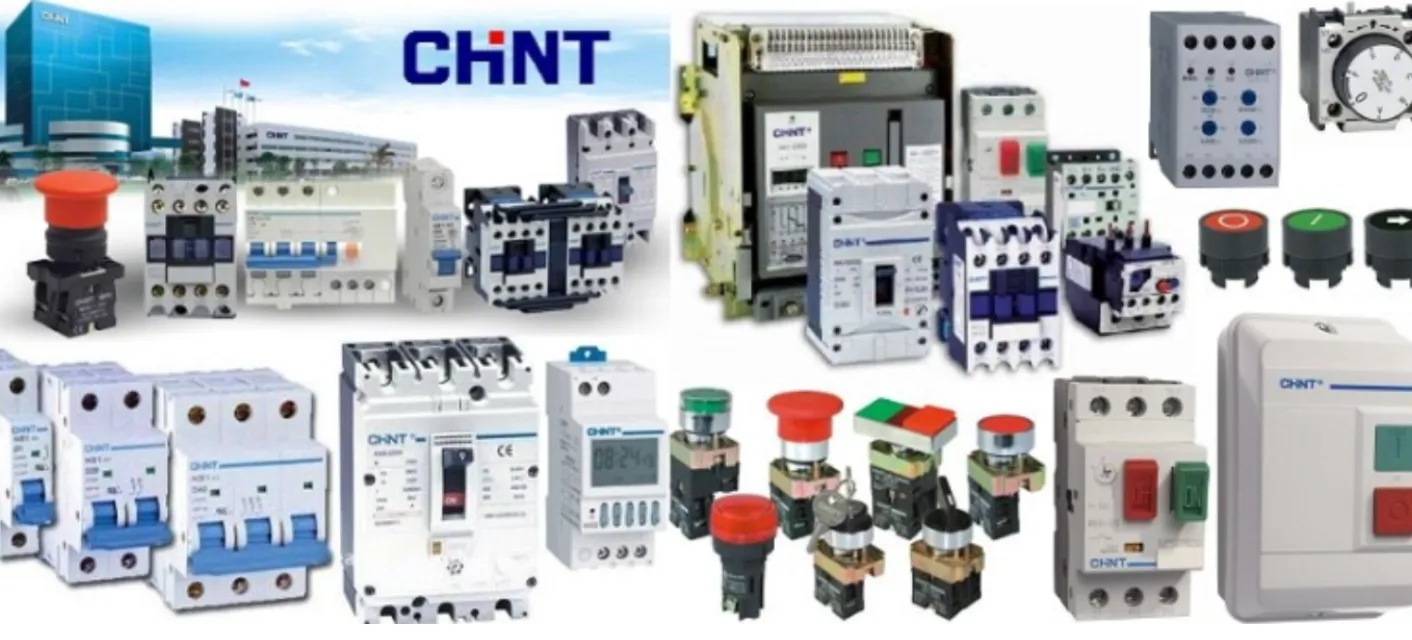
Common automation control products include:
- Programmable Logic Controllers (PLCs)
- Human Machine Interfaces (HMIs)
- Industrial power supplies
- Relays
- Contactors
- Timers
- Sensors
- Limit switches
- Push buttons
- Selector switches
- Variable Frequency Drives (VFDs)
- Communication modules
Each product performs a specific function within an automation system and contributes to reliable plant operation.
Benefits of Industrial Automation
Modern automation solutions offer measurable advantages across manufacturing industries.
Some of the key benefits include:
- Improved production efficiency
- Better product consistency
- Reduced human error
- Faster production cycles
- Lower maintenance costs
- Enhanced workplace safety
- Improved process monitoring
- Better energy utilization
These advantages help industries remain competitive while supporting sustainable business growth.
Industries That Depend on Automation
Automation control products are widely used across multiple industrial sectors.
These include:
- Automotive manufacturing
- Pharmaceutical production
- Food processing
- Chemical industries
- Textile manufacturing
- Packaging plants
- Warehousing facilities
- Water treatment plants
- Renewable energy projects
- Engineering industries
Every industry has unique operational requirements, making product selection an important part of successful automation projects.
How to Select the Right Automation Control Products
Every automation project should begin with a clear understanding of operational requirements rather than simply selecting individual products.
Important factors to consider include:
System Compatibility
Automation products should communicate efficiently with existing equipment and support future expansion. Selecting compatible components reduces integration challenges and simplifies maintenance.
Product Reliability
Industrial environments often involve continuous operation under demanding conditions. Reliable products help reduce equipment failures and improve production uptime.
Scalability
Factories frequently expand production capacity over time. Choosing automation products that support future upgrades allows businesses to modernize without replacing the entire control system.
Technical Support
Automation systems often require application-specific recommendations. Working with experienced suppliers helps businesses select products suitable for their processes and operating conditions.
Common Mistakes During Automation Procurement
Several procurement mistakes can affect the success of automation projects.
These include:
- Purchasing incompatible products
- Selecting components without considering future expansion
- Focusing only on initial purchase cost
- Ignoring communication protocols
- Buying uncertified products
- Overlooking technical support
Avoiding these issues helps create more reliable and efficient automation systems.
Questions to Ask Before Purchasing
Procurement managers and system integrators should evaluate suppliers carefully before making purchasing decisions.
Useful questions include:
- Are the automation products sourced from recognized manufacturers?
- Can technical recommendations be provided for different industrial applications?
- Are replacement products readily available?
- Is inventory maintained for urgent project requirements?
- Are product specifications and certifications available?
- Can the supplier support future expansion requirements?
The answers help determine whether the supplier can support long-term industrial automation projects.
Why Working with an Experienced Supplier Matters
Automation systems involve multiple interconnected components. Working with a knowledgeable supplier helps businesses simplify procurement while ensuring product compatibility and dependable performance.
Long-term advantages include:
- Access to genuine automation products
- Better technical consultation
- Reliable inventory availability
- Faster project execution
- Improved maintenance planning
- Consistent after-sales support
These benefits reduce project risks while supporting smoother industrial operations.
Supporting Smart Manufacturing Across Maharashtra
Manufacturing facilities throughout Maharashtra are rapidly adopting automation technologies to improve productivity and remain globally competitive. Industries in Pune, Mumbai, Nashik, Nagpur, Chhatrapati Sambhajinagar, Kolhapur, and surrounding industrial regions increasingly require dependable automation solutions that can support both current production needs and future expansion.
Companies such as Deeva Electricals and Automation supply a comprehensive portfolio of automation control products along with industrial electrical solutions for OEM manufacturers, electrical contractors, panel builders, system integrators, EPC companies, and factory maintenance teams across Maharashtra. Buyers researching automation solutions can also explore deevaelectricals.com to understand available product categories before planning their next project.
Selecting the right automation control products is an investment in operational efficiency, production reliability, and long-term business growth. By combining quality components with expert technical guidance, industries can build automation systems that improve productivity, reduce downtime, and support sustainable manufacturing for years to come.
Keywords